



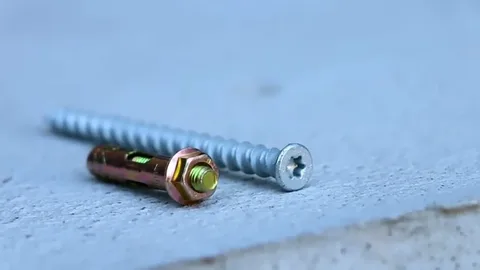
When it comes to securing heavy materials to concrete surfaces, the right hardware can make all the difference. Concrete screws are a popular choice due to their strength, reliability, and ease of installation. However, not all concrete screws are created equal. Understanding how to choose the right concrete screws for maximum strength and durability is essential for both DIY projects and professional construction work.
Understanding Concrete Screws
Concrete screws are designed to anchor materials directly into concrete, brick, or block without the need for expansion anchors. Unlike traditional anchors, they provide a tight, long-lasting hold that resists loosening over time. The right screws will ensure that your installation is both strong and durable, preventing potential safety hazards or structural issues.
Factors to Consider When Choosing Concrete Screws
1. Material and Coating
Concrete screws come in different materials, including stainless steel, carbon steel, and zinc-coated steel. Stainless steel screws are ideal for outdoor or humid environments as they resist corrosion. For indoor projects, coated carbon steel screws are often sufficient. Choosing the right material enhances the screw’s longevity and ensures maximum durability.
2. Screw Size and Diameter
The size and diameter of the screw directly affect its holding power. Larger diameter screws provide greater strength, making them suitable for heavy loads. When determining the right size, consider the thickness of the material being fastened and the type of concrete or masonry. Using undersized screws can compromise the structural integrity of your installation.
3. Thread Type
Concrete screws are available with different thread designs, such as coarse and fine threads. Coarse threads are better for softer materials, while fine threads provide superior holding power in hard concrete. Selecting the correct thread type ensures that the screw grips the material securely and reduces the risk of cracking the concrete.
4. Load Requirements
Assessing the weight and stress that the screw will bear is critical. Overloading a screw beyond its rated capacity can lead to failure. Always check the manufacturer’s specifications to ensure the screw meets your project’s load requirements. This step is crucial in learning how to choose the right concrete screws for maximum strength and durability.
Tips for Installing Concrete Screws
- Pre-drill pilot holes using a hammer drill and the recommended diameter for the screw.
- Avoid overtightening to prevent stripping the threads or damaging the concrete.
- Clean the hole of dust and debris before insertion for maximum grip.
- Use the correct tools to ensure proper torque and alignment.
Conclusion
Knowing how to choose the right concrete screws for maximum strength and durability can save time, effort, and costly mistakes. By considering material, size, thread type, and load capacity, you can select screws that offer long-lasting performance for any concrete project. Whether you are securing heavy machinery, shelving, or structural components, the right concrete screws ensure your installation is safe, stable, and durable for years to come.
