



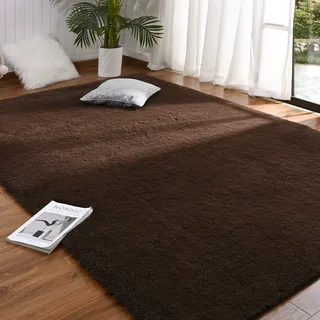
Square rooms and rectangular furniture dominate most homes. Straight lines are everywhere. This is why round rugs act as such powerful design tools. They soften sharp edges, create visual interest, and define specific zones within larger spaces. A round rug under a dining table or in a cozy reading nook draws the eye and anchors the furniture.
However, picking the shape is the easy part. The real challenge lies in selecting the right material. The fiber you choose dictates how the rug feels, how long it lasts, and how much effort you need to put into cleaning it.
At The Ambiente, we understand this balance better than most. As a premium handmade rug store in Delhi, backed by over three decades of industry experience, we work with thousands of weavers to create pieces that last. We know that a rug needs to do more than just look good; it needs to fit your lifestyle. Whether you visit our flagship store in Sultanpur or browse our collection online, knowing your materials puts you ahead of the curve.
Factors to Consider When Choosing a Rug Material
Before you fall in love with a pattern or color, you must assess the practical needs of your space. A beautiful rug serves no purpose if it wears out in six months or stains immediately. Keep these five factors in mind:
Durability and Foot Traffic
Where will you place the rug? An entryway sees constant movement, dirty shoes, and heavy wear. A bedroom sees bare feet and minimal traffic. High-traffic areas require tough fibers like wool or jute that bounce back after compression. Low-traffic zones allow for delicate materials like silk.
Comfort and Texture
Think about how you use the room. If you sit on the floor to play with kids or want a soft landing when you step out of bed, texture matters. You want high-pile or soft natural fibers. In a dining room, chairs need to slide easily, so a flat weave or low pile works best.
Maintenance and Cleaning
Be honest about how much time you want to spend cleaning. Households with pets and children need forgiving materials that resist stains and handle frequent vacuuming. Some premium rugs require professional cleaning, while others handle a simple spot clean.
Style and Aesthetic
The material impacts the look. Silk shines and catches the light. Jute looks matte and organic. Wool absorbs dye deeply, offering rich, saturated colors. The material should match the vibe you want to create in the room.
Budget
Materials vary wildly in price. Synthetics usually cost less, while hand-knotted silk or high-quality wool commands a higher price tag due to the craftsmanship involved. Define your budget early to narrow down your options.
Top Materials for Round Rugs
Once you know your constraints, you can look at specific fibers. Here is a breakdown of the most popular materials for round rugs.
Wool: The Gold Standard
Wool remains the most popular choice for high-quality rugs for good reason. It balances durability with softness. Wool fibers contain natural oils that resist stains and repel water, making them surprisingly easy to maintain.
A round wool rug works exceptionally well in living rooms and bedrooms. It feels thick and luxurious underfoot. Because wool fibers are elastic, they recover their shape even after furniture sits on them for long periods. At The Ambiente, our artisans craft wool rugs that hold their color and structure for years. If you want a piece that ages well, wool is your best bet.
Best for: Living rooms, high-traffic areas, bedrooms.
Cotton: The Casual Alternative
Cotton offers a lighter, breezier feel than wool. It is soft, often inexpensive, and easy to clean. Many cotton rugs are flat-woven, which means they don’t trap as much dust as high-pile options.
Cotton is a great choice for kitchens, children’s rooms, or casual spaces. While it doesn’t possess the same longevity as wool, it brings a relaxed energy to a room. Keep in mind that cotton absorbs moisture quickly, so you should address spills immediately to prevent setting.
Best for: Kitchens, playrooms, casual dining spots.
Jute and Sisal: The Natural Textures
If you want to bring an organic, earthy feel to your home, look at jute or sisal. These plant-based fibers are incredibly tough. A round jute rug adds instant texture and warmth to a neutral room.
Jute feels softer than sisal, making it decent for living areas, though it is still rougher than wool. These rugs are distinctively sturdy, making them ideal for layering. A popular trend involves placing a smaller, patterned rug on top of a large, round jute base. This protects the floors while adding visual depth.
Best for: Entryways, sunrooms, layering bases.
Silk: The Luxury Statement
Silk represents the height of luxury. It creates a distinct sheen that changes depending on how the light hits the pile. Silk fibers are incredibly fine, allowing weavers to create intricate, detailed patterns that other materials cannot match.
However, silk is delicate. Water damages it easily, and it wears down under heavy foot traffic. You should reserve silk round rugs for areas where they serve as art pieces rather than utility items. Often, manufacturers blend silk with wool to increase durability while keeping that signature shine.
Best for: Formal living rooms, low-traffic bedrooms, decorative accents.
Synthetic Fibers: The Practical Choice
Materials like polypropylene, nylon, and polyester fall into the synthetic category. These man-made fibers are engineered to resist stains, fading, and moisture. They are the workhorses of the rug world.
If you need a rug for an outdoor patio or a muddy mudroom, synthetics perform well. They are also budget-friendly. While they may not offer the same rich feel or lifespan as a hand-knotted wool piece, they provide a practical solution for messy areas.
Best for: Patios, basements, messy entryways.
Caring for Your Round Rug
Buying a quality rug is an investment. Proper care ensures it stays looking fresh.
- Vacuum Regularly: Dirt acts like sandpaper at the base of the rug fibers. Regular vacuuming removes these particles before they do damage. For wool rugs, use suction only to avoid pulling the fibers.
- Rotate Often: Round rugs often sit in the center of a room or under specific furniture. Rotate your rug every six months to ensure it wears evenly and avoids sun fading in just one spot.
- Spot Clean Immediately: When spills happen, blot them instantly with a clean, white cloth. Never rub, as this pushes the liquid deeper into the fibers.
- Use a Rug Pad: A pad prevents slipping and adds an extra layer of cushioning. It also stops dirt from grinding between the floor and the rug backing.
Finding the Perfect Match for Your Home
The right material turns a simple floor covering into a defining feature of your home. You need to weigh the practical demands of your life against the style you want to achieve.
At The Ambiente, we believe a rug sets the mood for the entire room. Our founders, Avani and Ayush, built this brand to make heritage craftsmanship accessible to modern homes. We combine age-old weaving techniques with designs that suit contemporary Indian interiors.
Whether you need a durable wool piece for your family room or a statement silk rug for a formal sitting area, knowing your materials helps you buy with confidence. When you are ready to find a piece that speaks to your style, visit us to buy rugs online India or stop by our Delhi store. We create premium rugs that stand the test of time.
