



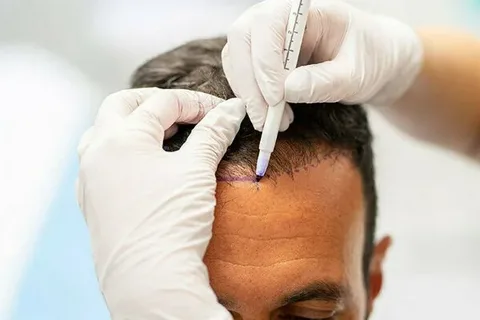
Hair restoration has traditionally focused on scalp hair, but recent advancements in cosmetic procedures now offer solutions for facial hair as well. Beard and eyebrow transplants are becoming increasingly popular, providing individuals with fuller, natural-looking facial hair. This innovative approach caters to those experiencing thinning, patchiness, or complete hair loss in the beard or eyebrows due to genetics, trauma, or medical conditions.
Understanding Beard and Eyebrow Transplants
Beard and eyebrow transplants involve relocating healthy hair follicles from one part of the body, usually the scalp, to the facial area. The procedure is similar to traditional hair transplants, utilizing techniques such as Follicular Unit Extraction (FUE) or Follicular Unit Transplantation (FUT).
- Beard transplants aim to enhance facial hair density, define jawlines, and fill patchy spots.
- Eyebrow transplants focus on achieving symmetry, thickness, and a natural arch for a youthful appearance.
These procedures are highly customizable, allowing surgeons to match the direction, angle, and density of transplanted hairs for a natural finish.
Who Can Benefit?
Individuals who may consider beard and eyebrow Hair transplant include:
- People with patchy or thin beards or eyebrows due to genetics.
- Those recovering from burns, accidents, or surgical scars.
- Individuals experiencing hair loss from medical treatments, such as chemotherapy.
Candidates need to have a sufficient donor area, typically from the scalp, to ensure successful transplantation. A consultation with a qualified surgeon is essential to evaluate suitability and expected outcomes.
Advantages of Facial Hair Transplants
- Natural Results: When performed correctly, transplanted hairs grow like natural facial hair.
- Permanent Solution: Unlike temporary cosmetic solutions, transplants provide long-lasting results.
- Boosted Confidence: Fuller beards and eyebrows can improve self-esteem and overall appearance.
The Procedure and Recovery
The process generally involves:
- Donor Hair Extraction: Healthy follicles are harvested from the scalp.
- Recipient Site Preparation: Tiny incisions are made in the desired facial area.
- Hair Implantation: Follicles are carefully placed to mimic natural growth patterns.
Recovery is usually straightforward, with mild swelling or redness subsiding within a week. Full results can take several months as the transplanted hairs begin to grow naturally.
Expanding Hair Restoration Options
The popularity of beard and eyebrow transplants reflects a broader trend in cosmetic and reconstructive hair restoration. As techniques advance, these procedures are no longer limited to addressing scalp hair loss but now provide tailored solutions for facial hair enhancement. This expansion of options allows more people to achieve their desired aesthetic and regain confidence in their appearance.
