



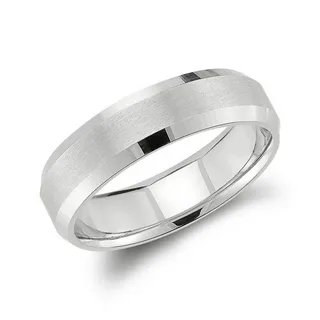
Choosing a wedding band is one of the few jewellery decisions a man will make with permanence in mind. Unlike a watch or a cufflink, this is a piece that rarely leaves the finger—morning commutes, gym sessions, black-tie dinners, and quiet Sundays at home. It must feel right, look right, and, above all, suit the life it enters. For those beginning their search, exploring this collection of mens wedding bands offers an excellent starting point, with designs that span from understated classics to contemporary statement pieces. The real challenge lies not in finding a ring, but in understanding the subtle details that separate one style from another.
Metal Choices and Their Character
The metal sets the tone—literally and figuratively. Yellow gold carries a warmth that feels traditional without being old-fashioned; it pairs effortlessly with vintage-inspired dress watches and tan leather accessories. White gold and platinum lean cooler, offering a sleek, modern aesthetic that complements silver cufflinks and stainless steel timepieces. Rose gold, meanwhile, occupies a middle ground—unexpected enough to draw quiet admiration, yet restrained enough for daily wear.
Beyond colour, consider durability. Platinum is denser and develops a soft patina over time, while white gold, though slightly harder, requires occasional rhodium replating to maintain its bright finish. A man who works with his hands may gravitate toward the resilience of platinum or a robust yellow gold band, whereas someone in a corporate setting might favour the crisp polish of white gold.
Profiles, Widths, and the Question of Comfort
A band’s profile—the shape of its inner and outer surface—determines how it sits against the finger. The classic court profile curves gently on both sides, creating a comfortable fit that has endured for generations. Modern flat or bevelled profiles offer a sharper, more architectural silhouette, sitting closer to the finger with a contemporary edge.
Width matters too. A narrower band, around 4mm, feels light and unobtrusive, ideal for those unaccustomed to wearing rings. A broader 6mm or 7mm band makes a bolder statement, though it demands proportionally larger hands to avoid looking overwhelming. The best approach is to try several widths in person; what appears subtle in a display case can feel entirely different on the finger.
Finishes and Textures: The Quiet Details
High-polish bands catch the light beautifully but show scratches readily—a consideration for active lifestyles. Brushed or satin finishes conceal wear far better, offering a muted sophistication that ages gracefully. Hammered textures introduce an artisanal quality, each tiny indentation catching light in unpredictable ways, while engraved patterns add personal significance without the need for gemstones.
Some of the most compelling designs combine finishes: a brushed centre with polished edges, for instance, creates depth and contrast without excess. These details may seem minor, yet they define how the ring interacts with light and, by extension, how it is perceived by others.
Final Thought
A men’s wedding band is not merely an accessory; it is a daily reminder of intent and partnership. The right choice balances aesthetic preference with practical reality—how it looks under office lighting, how it feels during a morning run, how it ages over decades. By understanding the interplay of metal, profile, width, and finish, a man can select a ring that feels less like a purchase and more like a natural extension of himself. Take time to compare, to handle the options, and to imagine the years ahead. The band you choose will outlast nearly every other possession you own; it deserves that level of consideration.
